Buckling your child into a vehicle in British Columbia isn’t just about comfort — it’s a legal requirement with specific rules based on age, weight, and height. Getting it wrong isn’t only dangerous; it can result in fines and, more critically, put your child at serious risk in a collision.
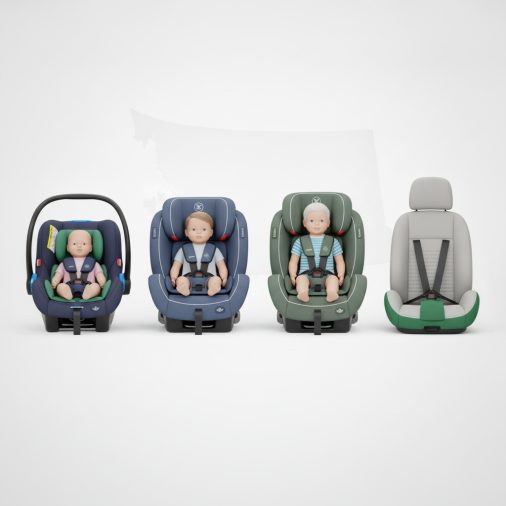
In British Columbia, child car seat laws require all children to use an appropriate restraint based on their size and age. Infants must use a rear-facing seat, toddlers must transition to a forward-facing seat with a harness, and older children must use a booster seat until they fit a seatbelt properly. BC law follows a four-stage system, and skipping stages — even as children grow — is both illegal and unsafe.
The Four-Stage Car Seat System in BC
British Columbia’s Motor Vehicle Act requires children to follow a progressive restraint system. Each stage is based primarily on a child’s physical size, not just their age. Age is a helpful guideline, but weight and height limits printed on the car seat itself are the binding factors.
Here’s a quick reference:
| Stage | Seat Type | Typical Age Range | Key Criteria |
|—|—|—|—|
| Stage 1 | Rear-facing infant/convertible | Birth to ~2 years | Until rear-facing weight/height limit is reached |
| Stage 2 | Forward-facing with harness | ~2–4 years | Until forward-facing harness limit is reached |
| Stage 3 | Booster seat | ~4–9 years | Until seatbelt fits correctly without booster |
| Stage 4 | Adult seatbelt | ~9 years and older | When seatbelt fits properly across shoulder and lap |
Age ranges are approximate. A larger toddler may outgrow a rear-facing seat earlier, while a petite child may remain in a booster seat well past age nine.
Stage 1 — Rear-Facing Seats
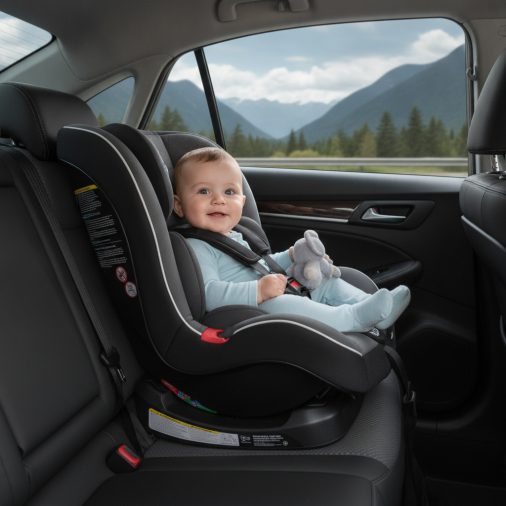
Every infant must start in a rear-facing car seat. This position cradles and moves with a baby during a frontal crash — the most common collision type — distributing force across the head, neck, and spine.
BC law requires rear-facing until the child reaches the maximum weight or height limit specified by the seat manufacturer. Many convertible seats allow rear-facing up to 40 lbs or more, which typically keeps children rear-facing well into their second year or beyond.
Critical installation notes:
– The seat must be installed at the correct recline angle — usually 30 to 45 degrees depending on the seat model
– Harness straps must sit at or below the baby’s shoulders when rear-facing
– No bulky winter coats under the harness — use a blanket over a properly buckled child instead
– The chest clip belongs at armpit level, not the stomach
A loose harness installation is one of the most commonly overlooked problems. A properly tightened harness should not allow more than one finger of slack at the child’s collarbone. If you’re unsure whether your newborn needs additional support inside the seat, check whether the manufacturer approves the use of infant inserts — only use inserts that came with the seat or are explicitly approved by the manufacturer.
Stage 2 — Forward-Facing with a Harness
Once a child exceeds the rear-facing limits of their seat, they move to a forward-facing seat with an internal harness. BC strongly encourages parents to keep children rear-facing as long as possible — forward-facing is not a milestone to rush.
Forward-facing seats must be installed with the LATCH system or a seatbelt, and they require a top tether attached to the vehicle’s tether anchor. The top tether dramatically reduces forward head movement in a crash. Skipping the tether is a common and serious mistake.
Harness straps for a forward-facing child should sit at or above the shoulders.
Children should remain in a forward-facing harness seat until they reach the seat’s maximum harness weight or height limit, which varies by model. Many quality convertible and combination seats allow harness use up to 65 lbs or higher.
Stage 3 — Booster Seats
A booster seat positions the vehicle’s seatbelt correctly across a child’s body. Without a booster, the lap belt can ride up onto the abdomen and the shoulder belt can cross the neck — both dangerous in a collision.
BC law requires a booster seat until all of these seatbelt fit criteria are met:
– The lap belt lies flat across the upper thighs, not the stomach
– The shoulder belt crosses the center of the chest and shoulder, not the neck or face
– The child can sit with their back flat against the vehicle seat throughout the entire trip
– The child’s knees bend naturally at the edge of the seat cushion
High-back booster vs. backless booster: High-back boosters provide head and neck support and are generally recommended for vehicles without headrests or when the child needs additional side impact protection. Backless boosters work well in vehicles with adequate headrests. BC does not prohibit either type — use what fits your vehicle and child correctly.
Stage 4 — Adult Seatbelt
A child is ready for an adult seatbelt alone when the seatbelt fits correctly without a booster. Most children reach this stage between ages 9 and 12, though physical size is what determines readiness — not a birthday.
Children under 13 should still ride in the back seat whenever possible. The back seat provides meaningful additional protection, particularly from frontal airbag deployment.
BC Car Seat Laws — Key Legal Requirements
British Columbia’s rules are enforced under the Motor Vehicle Act. Key legal points include:
– All children must be secured in a proper restraint appropriate for their size
– Car seats must meet Canadian Motor Vehicle Safety Standards (CMVSS) — seats purchased in the US or manufactured before current standards may not be legal for use in BC
– Expired car seats are not legal — most seats have an expiry date 6 to 10 years from manufacture, printed on the seat itself
– Seats involved in a moderate or severe collision must be replaced, even if no visible damage is apparent
– Car seats must be installed according to the manufacturer’s instructions — incorrect installation can be cited
ICBC and police conduct child restraint checkstops in BC, and fines apply for non-compliance. More importantly, a correctly installed, size-appropriate seat is the most effective protection available to your child in a crash.
Common Mistakes BC Parents Make
Even well-intentioned parents frequently make installation or usage errors. These are among the most often observed:
Harness too loose: The pinch test is a reliable check — pinch the harness webbing at the collarbone after buckling. If you can hold a fold of webbing, it needs tightening.
Moving to the next stage too soon: Many parents transition children to a booster at age four regardless of size, when their forward-facing harness seat may safely accommodate them for another year or two. Keep children in each stage until they reach the seat’s limits, not a birthday milestone.
Skipping the top tether: The tether anchor is present in virtually all vehicles manufactured after 2000. The tether strap must be attached and tightened for a forward-facing seat to provide its rated protection.
Using an expired or second-hand seat without documentation: An expired seat, a seat involved in a previous collision, or a seat missing its manual and labels should not be used. You cannot reliably assess the structural integrity of a used seat without its full history.
Aftermarket accessories on the seat: Seat inserts, head supports, or strap covers not supplied or explicitly approved by the car seat manufacturer can interfere with harness function. Only use accessories that come with the seat.
Using a vehicle upholstery protector under the car seat is generally acceptable, but check your seat manufacturer’s guidance — some manufacturers specify that non-slip mats are acceptable while thick padding under the base is not.
Car Seat Inspection and Certification in BC
ICBC and various community organizations across BC offer free child car seat inspection clinics. Certified Child Passenger Safety Technicians (CPSTs) can verify that your seat is installed correctly, appropriate for your child’s size, and not expired or damaged.
These inspections are strongly recommended after purchasing a new seat, following a vehicle change, or any time you are uncertain about installation. Many parents who believe their seat is installed correctly discover errors at inspection clinics.
To find an inspection clinic, check ICBC’s website or contact your local health authority or RCMP detachment for available clinic dates.
Traveling to or from the US with a Child in BC
If you are driving a BC-registered vehicle across the border into Washington State or other US states, Canadian-certified seats remain valid for use. US-purchased seats, however, may not meet CMVSS requirements and may not be legal for use in BC-registered vehicles.
If you regularly cross the border, confirm that your child’s seat carries both US FMVSS and Canadian CMVSS certification — many major manufacturers sell seats certified to both standards.
FAQ
At what age can a child stop using a car seat in BC?
There is no specific age at which BC law says a child can stop using a car seat. The law requires appropriate restraints based on size. A child moves through each stage when they outgrow the physical limits of their current seat, and they graduate to an adult seatbelt only when it fits correctly across their thighs, chest, and shoulder without a booster — typically between ages 9 and 12 for most children.
Is it legal to use a second-hand car seat in BC?
Using a second-hand seat is legal only if the seat has not expired, has never been in a moderate or severe collision, has all its original parts and labels intact, and comes with its original instruction manual. Seats without a verifiable history should not be used. An expired or previously crashed seat may appear undamaged but can fail to provide proper protection.
Does my child need a car seat in a taxi or rideshare in BC?
BC law requires child restraints in all vehicles, including taxis and rideshares. However, BC does exempt taxis from the requirement in limited circumstances. In practice, parents are encouraged to bring a portable or travel car seat when using rideshare or taxi services to ensure their child is properly protected. The law places responsibility on the vehicle operator, but the child’s safety is the primary concern.
What is the fine for not using a car seat in BC?
Fines for failing to properly secure a child in an appropriate car seat in BC can reach several hundred dollars, and the violation adds penalty points to the driver’s record. The specific fine amount can vary, so check the BC Motor Vehicle Act or ICBC for current penalty schedules.
Can a child use a car seat in the front seat in BC?
BC law does not specifically prohibit children from sitting in the front seat, but strong safety guidance recommends children under 13 ride in the rear seat. A rear-facing seat must never be placed in front of an active airbag — this is a critical safety rule. If a front-facing or booster seat must be placed in the front seat, the vehicle seat should be moved as far back as possible.
When should a child switch from rear-facing to forward-facing in BC?
A child should switch from rear-facing to forward-facing only after reaching the maximum weight or height limit of their rear-facing seat — not at a specific age. BC safety guidelines encourage keeping children rear-facing as long as possible, as rear-facing provides significantly better crash protection for young children. Many modern convertible seats allow rear-facing up to 40–50 lbs.
Are booster seats with a back required in BC, or can backless boosters be used?
Both high-back and backless booster seats are legal in BC, provided they meet Canadian safety standards and are used correctly. High-back boosters are generally recommended for vehicles without headrests, for younger or smaller children in the booster stage, or when additional side impact protection is desired. A backless booster is suitable when the vehicle provides adequate head support at shoulder height.
Final Thoughts
BC car seat rules are built around one principle: keep children in the most protective restraint they physically fit into for as long as possible. Rushing through stages — whether from rear-facing to forward-facing, or from a harness to a booster — reduces protection before the child’s body is ready for the next stage. Confirm your seat’s expiry date, verify the installation against the manufacturer’s manual, and consider attending a free ICBC-affiliated inspection clinic if there’s any doubt. When the seat fits the child and the vehicle correctly, it does exactly what it’s designed to do.