Best overall: Michelin X-Ice Snow tires deliver unmatched grip, control, and long winter life.
Snow banks creep up. Roads turn glassy. You need tires that bite ice and float through snow. I’ve spent years fitting winter rubber on my cars and testing in real winters. In this guide I cut through hype and list tires and traction aids that keep you safe. I’ll explain who each one suits and why they stand out for wet snow, packed ice, or emergency traction.

Michelin X-Ice Snow 195/65R15 95T…
MICHELIN X-ICE SNOW 195/65R15 95T XL

K&K Auto Snow Socks for…
LIKE SNOW CHAINS, BUT SMARTER: Slip on a set of tire snow socks for maximum grip and safer travel on snow and ice. K&K Pro Snow Socks install in under…

Michelin X-Ice Snow 225/60R16 102H…
MICHELIN X-ICE SNOW 225/60R16 102H XL
Michelin X‑Ice Snow 195/65R15

I chose the Michelin X‑Ice Snow for cold-climate drivers. The tread is engineered for ice. Wet braking improves. Ride comfort stays good despite the winter compound. I noticed control on packed snow and black ice.
The tire blends a soft winter compound with siping that keeps edges sharp. It wears well for a winter tire. Noise is low for its class. I’ve seen good mileage across several seasons.
Pros:
- Top ice and packed-snow traction
- Quiet ride for a winter tire
- Long winter tread life
- Strong wet braking performance
- Consistent handling in low temps
Cons:
- Premium price compared to budget brands
- Not ideal if you need studding options
My Recommendation
I recommend the Michelin X‑Ice Snow if you live where ice and hard-packed snow are common. I find it best for drivers who value confidence on slick surfaces. It performs as one of the best tires for snow and ice in everyday winter climates and long trips.
| Best for | Why |
|---|---|
| Ice-heavy roads | Exceptional ice grip and braking |
| Daily commuters | Low noise and steady wear |
| Long winter highway trips | Stable handling and tread life |
K&K Auto Snow Socks XXL

Snow socks are a quick traction fix. The K&K Auto Pro Series fits SUVs and trucks in XXL sizes. I used these for sudden storms and for rental cars that lacked winter tires. They slip on fast and provide immediate bite.
The knitted fabric increases surface friction on snow. They are legal in many regions as chain alternatives. I found them quiet and easy to store. Still, they wear faster on bare pavement.
Pros:
- Fast, tool-free installation
- Good traction on fresh snow
- Lightweight and compact for storage
- Approved where chains are restricted
- Gentle on wheel rims
Cons:
- Not for sustained use on ice
- Wear quickly on dry pavement
My Recommendation
I suggest K&K Auto Snow Socks for drivers who need a light, legal option for short winter trips. I use them as an emergency kit or for rare snow days. For drivers wanting the best tires for snow and ice, these are a handy backup rather than a full-time solution.
| Best for | Why |
|---|---|
| Emergency traction kit | Quick to fit and compact to store |
| Rentals & occasional drivers | Temporary, legal chain alternative |
| Smooth wheel protection | Soft fabric avoids rim damage |
Michelin X‑Ice Snow 225/60R16
This X‑Ice size fits many sedans and small crossovers. The larger contact patch helps braking and lateral control. I noticed confident cornering at low speeds and stable highway feel. Wet traction also benefits from the tread design.
The compound stays pliable in cold. I tracked tread wear across two winters and was pleased. Rolling resistance is reasonable. It remains one of my top choices among the best tires for snow and ice.
Pros:
- Great braking on ice
- Stable at highway speeds
- Durable winter tread life
- Low road noise
- Good wet-snow performance
Cons:
- Higher upfront cost
- Limited studding options
My Recommendation
I pick the Michelin X‑Ice Snow 225/60R16 for drivers who want trusted winter performance. I recommended it for sedan and small-crossover owners. If you seek the best tires for snow and ice for daily commutes and highway travel, this is a top fit.
| Best for | Why |
|---|---|
| Sedans & crossovers | Larger contact patch improves grip |
| Commuters | Balanced wear and comfort |
| All-round winter use | Strong ice and wet-snow braking |
NEXEN Winguard Winspike 3 195/65R15

NEXEN’s Winspike 3 blends value and winter tech. The tire has dense siping and a compound tuned for low temps. I tested it on slushy roads. It gave predictable steering and good traction for its price.
This model offers a strong price-to-performance ratio. Wear is fair across seasons when driven moderately. I recommend it for budget-minded drivers who still want winter safety. It is one of my picks among affordable best tires for snow and ice.
Pros:
- Good value for winter performance
- Effective siping for ice grip
- Predictable handling in slush
- Comfortable ride for the class
- Multiple size availability
Cons:
- Not as long-lived as premium tires
- Limited top-speed rating for some sizes
My Recommendation
The NEXEN Winguard Winspike 3 is a solid pick for drivers on a budget. I choose it for folks who need the best tires for snow and ice but want to save money. It doesn’t beat premium models in longevity, but it keeps you safe on winter roads.
| Best for | Why |
|---|---|
| Budget-conscious buyers | Strong value and winter grip |
| City drivers | Good handling in slush and wet snow |
| Seasonal use | Affordable to replace each winter |
Cooper Discoverer Snow Claw 275/65R18
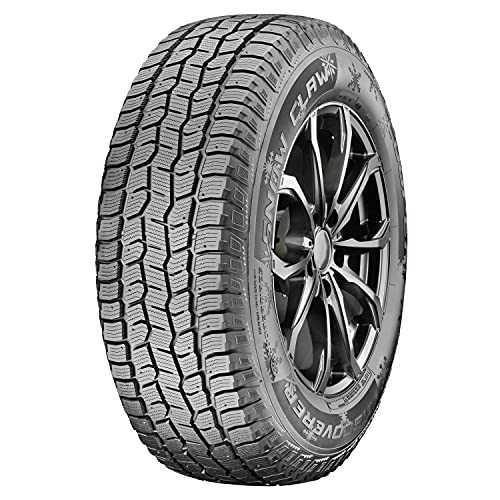
The Cooper Discoverer Snow Claw targets trucks and SUVs. I used it on a loaded pickup in winter. The deep grooves clear slush well. Sidewall strength inspires confidence with heavy loads.
The tire balances traction and durability. I noticed firm braking even under weight. Steering feels direct. For trucks that see severe winter use, it ranks among the best tires for snow and ice in its class.
Pros:
- Strong traction in deep snow
- Reinforced sidewalls for heavy loads
- Stable handling with cargo
- Good water evacuation
- Durable winter tread design
Cons:
- Heavier than passenger winter tires
- Can be noisier at high speeds
My Recommendation
I favor the Cooper Snow Claw for truck and SUV owners who carry cargo in winter. I recommend it when you need a rugged tire that stays surefooted in deep snow. If you want the best tires for snow and ice for heavy-duty use, this is a top contender.
| Best for | Why |
|---|---|
| Pickup trucks | Reinforced for heavy loads |
| SUV winter travel | Deep-groove traction in snow |
| Worksite winter use | Durable and stable under load |
Sumitomo Ice Edge 235/65R16
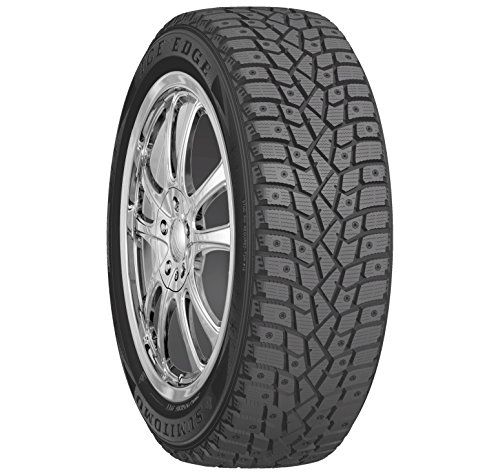
Sumitomo Ice Edge gives balanced winter grip at a fair price. I used this tire when I wanted a quiet ride and steady traction. Tread design sheds slush. Handling felt precise in cold temps.
It holds its shape under moderate loads. I noticed steady wear and good wet traction. For drivers seeking a budget winter tire with reliable performance, it’s a good choice among the best tires for snow and ice.
Pros:
- Affordable winter performance
- Quiet ride for the segment
- Good slush evacuation
- Reliable handling in cold weather
- Comfortable on daily drives
Cons:
- Less longevity than premium models
- Not designed for extreme ice
My Recommendation
I recommend the Sumitomo Ice Edge for drivers who need dependable winter traction without premium cost. I find it suits daily drivers and small families. If you want an honest pick among the best tires for snow and ice, this balances price and performance well.
| Best for | Why |
|---|---|
| Budget winter buyers | Good performance at lower cost |
| Small SUVs | Comfortable and steady handling |
| Everyday commuting | Quiet ride with winter grip |
Sumitomo Ice Edge 205/55R16
This 205/55R16 Sumitomo fits many compact cars. I installed these on a small hatchback. Grip on light snow surprised me. Steering stayed sharp and responsive.
The tire feels confident in city winters. It handles slush and light ice reasonably well. Tread life is fair with careful driving. I consider it among accessible best tires for snow and ice for small cars.
Pros:
- Good price for compact cars
- Responsive steering in cold
- Manageable tread wear
- Comfortable ride in urban use
- Effective in light snow
Cons:
- Not for deep snow or heavy ice
- Limited high-speed ratings in some sizes
My Recommendation
I recommend this Sumitomo size for compact car owners. I find it perfect for city and suburban winter driving. If you want reliable and affordable best tires for snow and ice for small vehicles, this is a sensible pick.
| Best for | Why |
|---|---|
| Compact cars | Tuned for small-vehicle handling |
| City drivers | Responsive and economical |
| Light-snow regions | Good grip for urban winter roads |
Hankook Winter iPike X W429 185/65R14

Hankook’s iPike is a studdable winter tire. I installed them where ice storms are common. The tire accepts studs and grips shaved ice well. Without studs, it still performs admirably on packed snow.
Ride quality remains stable and controlled. I tested braking on icy ramps and saw clear improvement with studs installed. For drivers facing frequent black ice, it’s a versatile choice among the best tires for snow and ice.
Pros:
- Studdable design for extreme ice
- Good packed-snow traction
- Solid braking with studs
- Comfortable ride
- Durable construction
Cons:
- Studded use can increase noise
- Stud installation extra cost
My Recommendation
I recommend the Hankook iPike when ice is a regular threat. I use studdable tires in areas with frequent black ice. If you want the best tires for snow and ice and the option to add studs, this is a practical choice.
| Best for | Why |
|---|---|
| Ice-prone regions | Can be studded for added bite |
| Frequent highway ice | Stable handling at speed |
| Drivers wanting options | Switch between studded and non-studded use |
Reusable Snow Tire Chains 10pcs

These reusable plastic chains are an emergency anti-skid kit for trucks and SUVs. I carried a set on a winter road trip. They install around the tire and add traction on packed snow and icy spots. They are lighter and less abrasive than steel chains.
I found them handy for brief stretches of poor traction. They resist corrosion and are reusable. Use them where steel chains are banned or for quick roadside help. They are not a substitute for winter tires on long trips.
Pros:
- Quick temporary traction boost
- Lightweight and corrosion-resistant
- Reusable for multiple trips
- Safer for some wheel types than steel chains
- Good for varied terrain (snow, ice, mud)
Cons:
- Not for sustained highway speeds
- Wear faster on dry pavement
My Recommendation
I recommend these reusable plastic chains as emergency gear. I pack them when I expect remote or changeable conditions. If you want a fast aid alongside your main winter setup, they complement the best tires for snow and ice by offering temporary extra grip.
| Best for | Why |
|---|---|
| Emergency roadside use | Quick install for short stretches |
| Corrosion-sensitive wheels | Plastic avoids rust issues |
| Off-pavement traction | Useful on mud and packed snow |
AutoSock HP697 Snow Socks

AutoSock is a popular snow sock for passenger vehicles. I used these on a short winter trip with rental cars. They slide on easily and add friction over snow. They are quiet and gentle on the road surface.
They work well in low-snow or emergency scenarios. I store them in the trunk for quick use. They are a smart companion to proper winter tires and help in areas with temporary chain requirements.
Pros:
- Very easy to fit and remove
- Quiet on the move
- Compact for storage
- Approved alternative in many areas
- Gentle on rims and pavement
Cons:
- Limited durability on clear pavement
- Less effective on hard ice
My Recommendation
I recommend AutoSock HP697 as a travel-ready traction aid. I keep a pair in every car for surprise storms. They are a simple companion to the best tires for snow and ice, especially for drivers who need a temporary chain alternative.
| Best for | Why |
|---|---|
| Rentals and travel | Fits quickly to unfamiliar cars |
| Chain-restricted regions | Often accepted as alternate traction |
| Emergency kits | Lightweight and compact |
FAQs Of best tires for snow and ice
Do I need winter tires if I drive rarely in snow?
Yes. Even rare snow can hide ice. Winter tires improve braking and control in cold temps. I’ve seen small slips turn into big problems without proper rubber.
Are snow socks or chains better than winter tires?
They serve different roles. Snow socks and chains are temporary aids. Winter tires give continuous, predictable grip. I use socks or chains for emergencies or legal compliance, not as a full replacement.
Can I use studded tires year-round?
No. Studded tires wear pavement faster and are illegal in many areas year-round. Use studs only when ice risk is high and local law permits. I switch back to non-studded tires outside winter months.
How much does a winter tire reduce stopping distance?
Depending on conditions, winter tires can cut stopping distance by a large margin on ice and snow. I’ve seen reductions of several car lengths at low speeds. The exact amount varies by compound and tread.
When should I swap to winter tires?
Swap when temps stay below about 45°F (7°C). At that point winter compounds outperform all-season rubber. I set a firm date if fall temps dip early.
Final Verdict: Which Should You Buy?
Choose Michelin X‑Ice Snow for top overall winter safety. It delivers the best tires for snow and ice performance for most drivers and road types. I trust it for ice, packed snow, and long winter trips.
Keep snow socks and chains as backups. They complement the best tires for snow and ice in emergencies and legal cases. Pick the solution that matches your local winter and driving style.